Every June, organizations and communities across the country recognize National Safety Month — a time dedicated to raising awareness about preventable injuries and encouraging safer habits at home, at work, on the road, and in our communities. Led by the National Safety Council, National Safety Month 2026 is an opportunity to focus on practical steps that can reduce injuries and save lives.
Injuries remain one of the leading causes of death and disability in the United States, but many incidents are preventable. Whether it’s wearing a seat belt, using a helmet, storing firearms securely, preventing falls, or staying alert behind the wheel, simple actions can make a lasting difference.
Why National Safety Month Matters
Safety impacts everyone. Preventable injuries affect children, teens, adults, and older adults in homes, schools, workplaces, and recreational settings. National Safety Month encourages individuals and organizations to pause and evaluate everyday risks while promoting a culture of prevention.
Throughout June, healthcare organizations, trauma centers, schools, employers, and community groups often share educational resources and host activities focused on:
- Preventing distracted and impaired driving
- Reducing falls among older adults
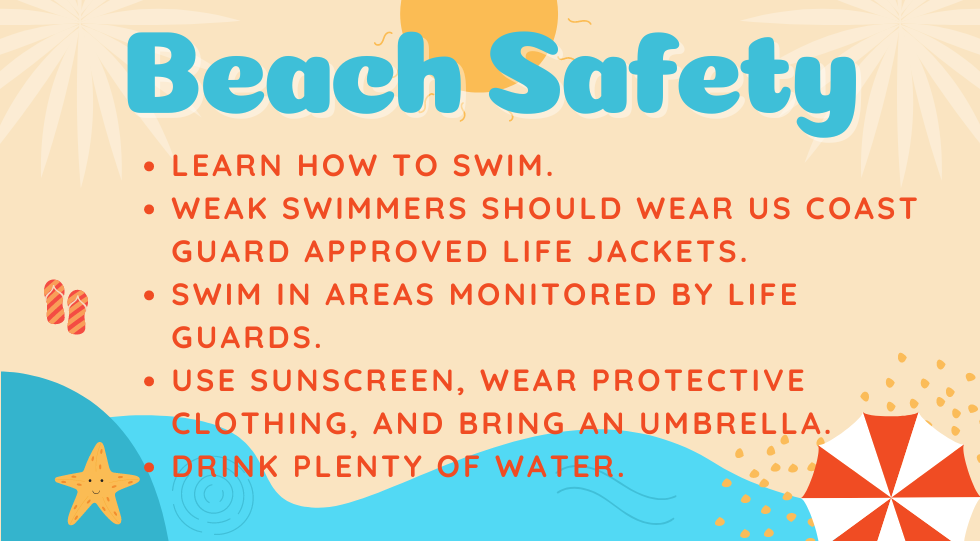
- Water and boating safety
- Firearm injury prevention
- Heat illness prevention
- Workplace safety
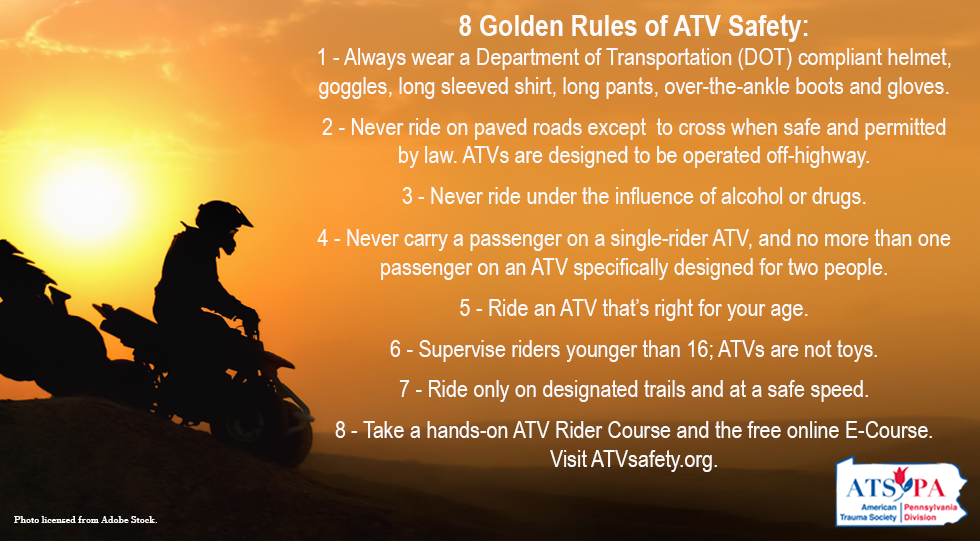
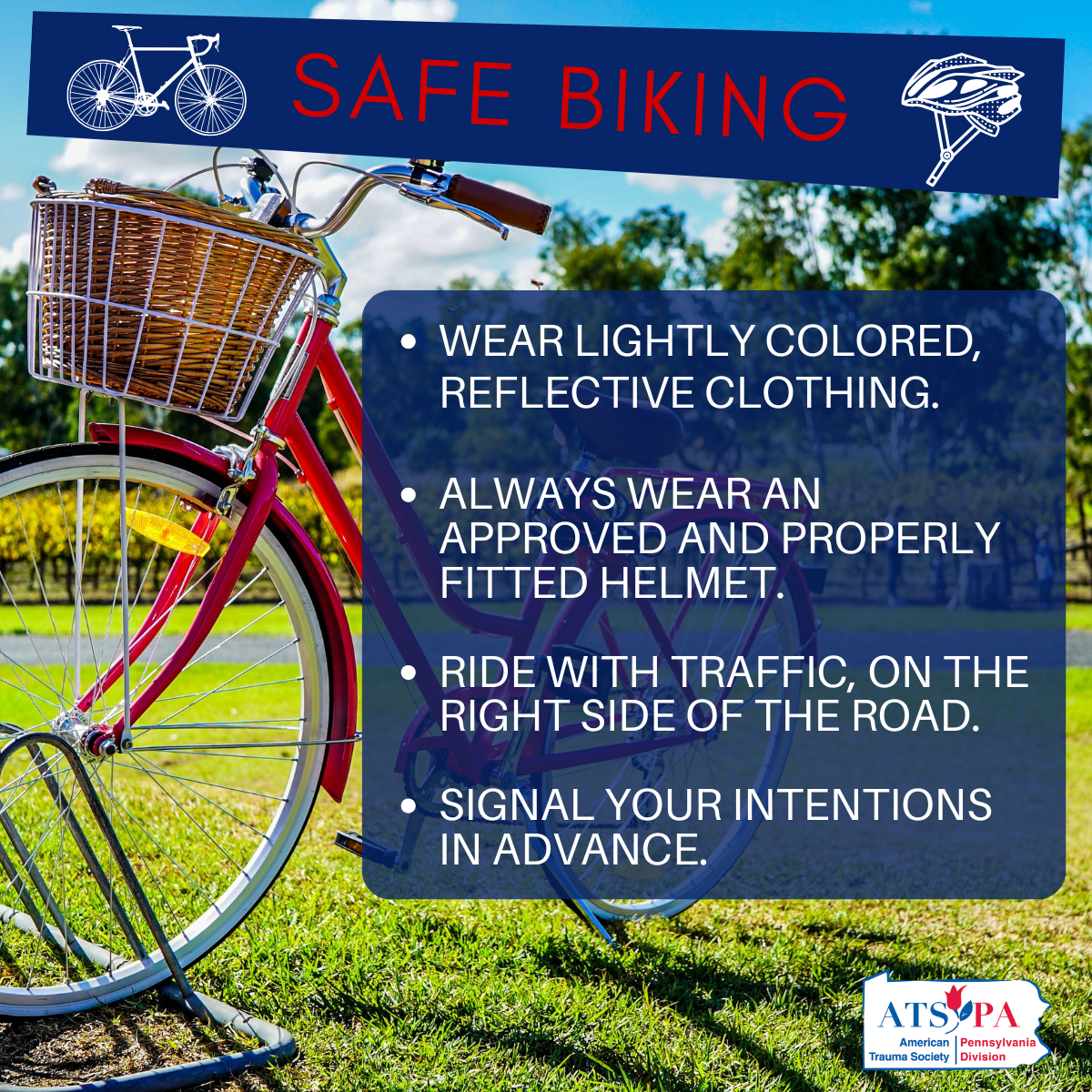
- Bicycle, motorcycle, and pedestrian safety
- Emergency preparedness
The goal is not only to respond to injuries but to prevent them before they happen.
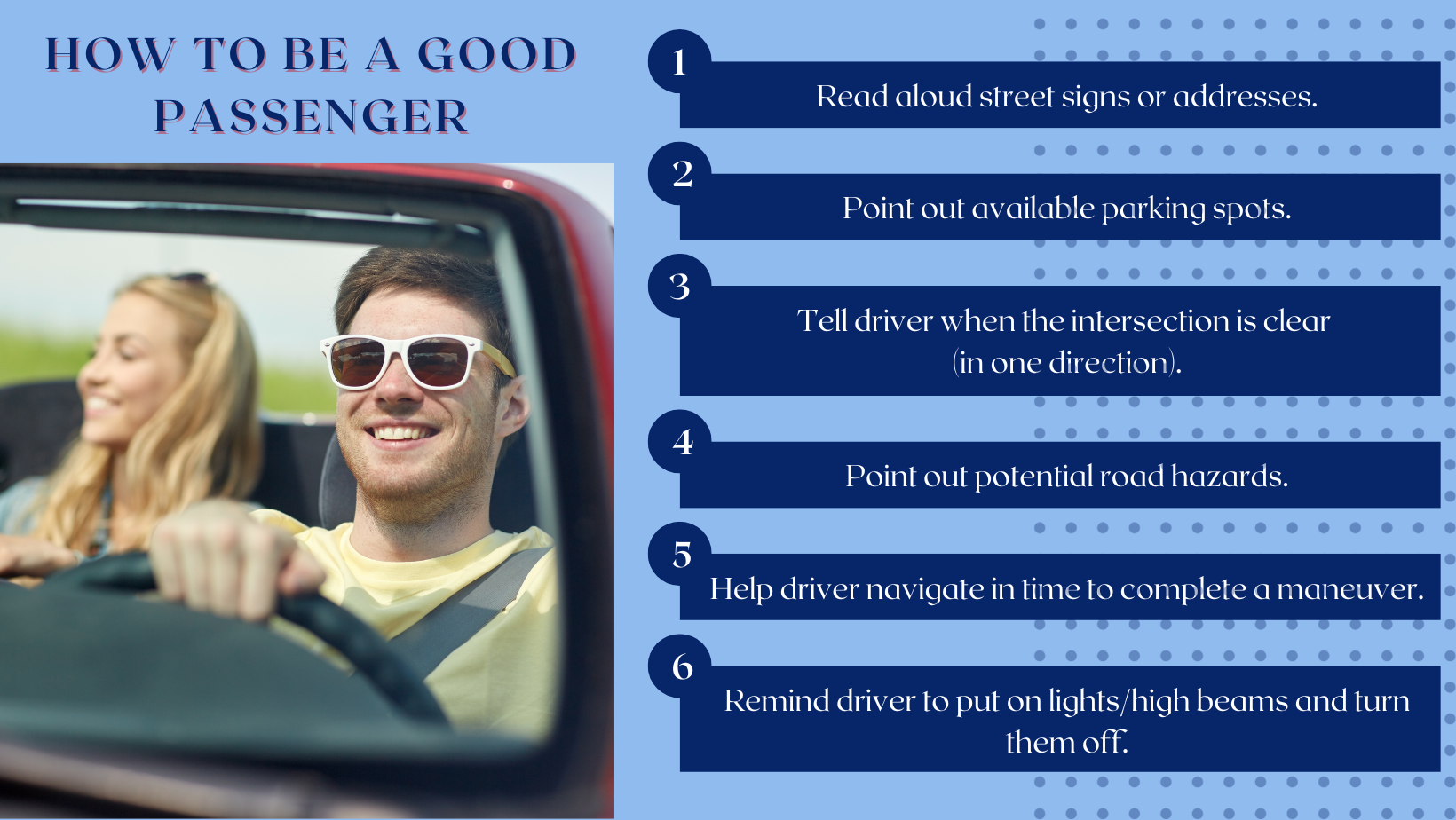
Roadway Safety Starts With Every Driver
Summer brings increased travel, vacations, graduation celebrations, and outdoor activities — which also means more traffic and a greater risk of crashes.
Drivers can help keep roads safer by:
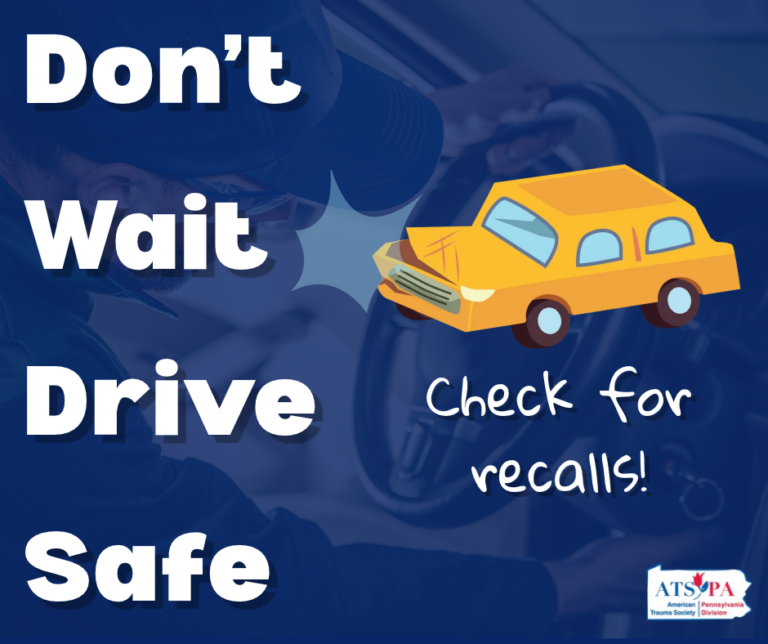
- Avoiding distractions while driving, including texting or using mobile devices
- Never driving impaired by alcohol, drugs, or fatigue
- Wearing seat belts on every trip
- Following speed limits
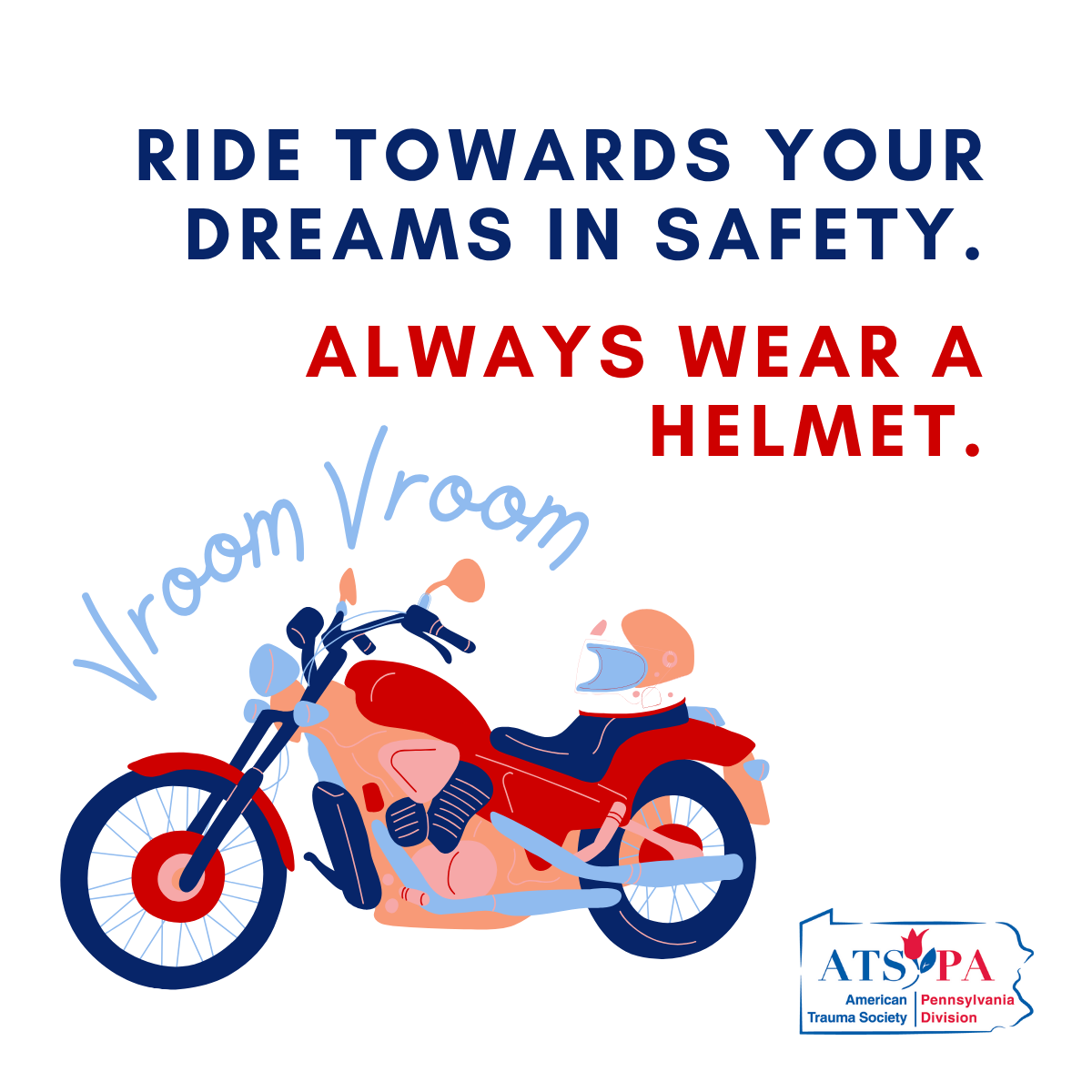
- Watching carefully for pedestrians, bicyclists, and motorcyclists
Parents also play an important role by ensuring children are properly secured in age-appropriate car seats and booster seats.
Preventing Falls Among Older Adults
Falls are one of the leading causes of injury for older adults, but many falls can be prevented through simple home and lifestyle changes.
Safety tips include:
- Removing tripping hazards such as loose rugs and clutter
- Installing grab bars and handrails
- Improving lighting throughout the home
- Staying physically active to maintain strength and balance
- Reviewing medications with healthcare providers
Community-based programs, such as balance and mobility classes, can also help older adults remain independent and reduce fall risk.
Water Safety Saves Lives
As temperatures rise, many families head to pools, lakes, rivers, and beaches. Water activities are a great way to enjoy summer, but they also require caution.
Important water safety reminders include:
- Never swim alone
- Always supervise children near water
- Wear U.S. Coast Guard-approved life jackets while boating
- Avoid alcohol while swimming or operating watercraft
- Learn CPR and basic rescue skills
Even experienced swimmers can face dangerous conditions, especially in open water.
Firearm Safety and Secure Storage
Safe firearm storage is an important injury prevention strategy. Firearms should be:
- Stored unloaded
- Locked securely
- Kept separate from ammunition
- Inaccessible to children and unauthorized users
Open conversations about mental health, conflict resolution, and safe storage practices can help reduce unintentional injuries, suicides, and acts of violence.
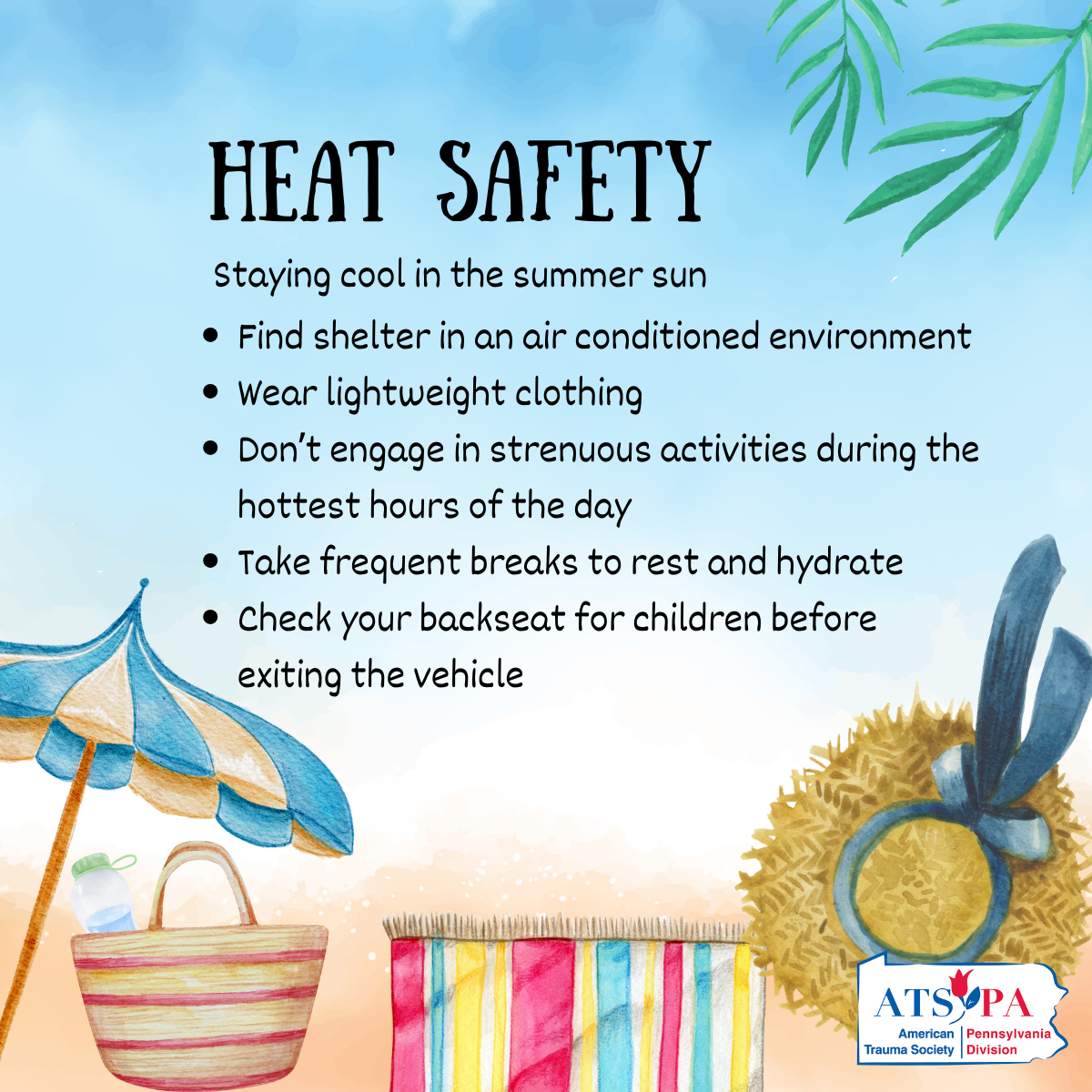
Heat Safety During Summer Months
Hot summer temperatures can quickly become dangerous, especially for children, older adults, outdoor workers, and athletes.
To prevent heat-related illness:
- Drink plenty of water
- Take breaks in shaded or air-conditioned areas
- Wear lightweight clothing
- Never leave children or pets in vehicles
- Know the signs of heat exhaustion and heat stroke
Checking the back seat before locking your car can help prevent tragic hot car deaths involving children.
Building a Culture of Safety
National Safety Month is a reminder that injury prevention is everyone’s responsibility. Communities become safer when individuals, families, schools, employers, healthcare providers, and organizations work together to promote safe behaviors and environments.
Small decisions made every day — buckling a seat belt, putting on a helmet, checking smoke alarms, or locking up medications and firearms — can prevent life-changing injuries.
This June, take time to evaluate safety practices at home, at work, and in your community. A few simple precautions today can help protect lives tomorrow.
For more information about National Safety Month and injury prevention resources, visit the National Safety Council.