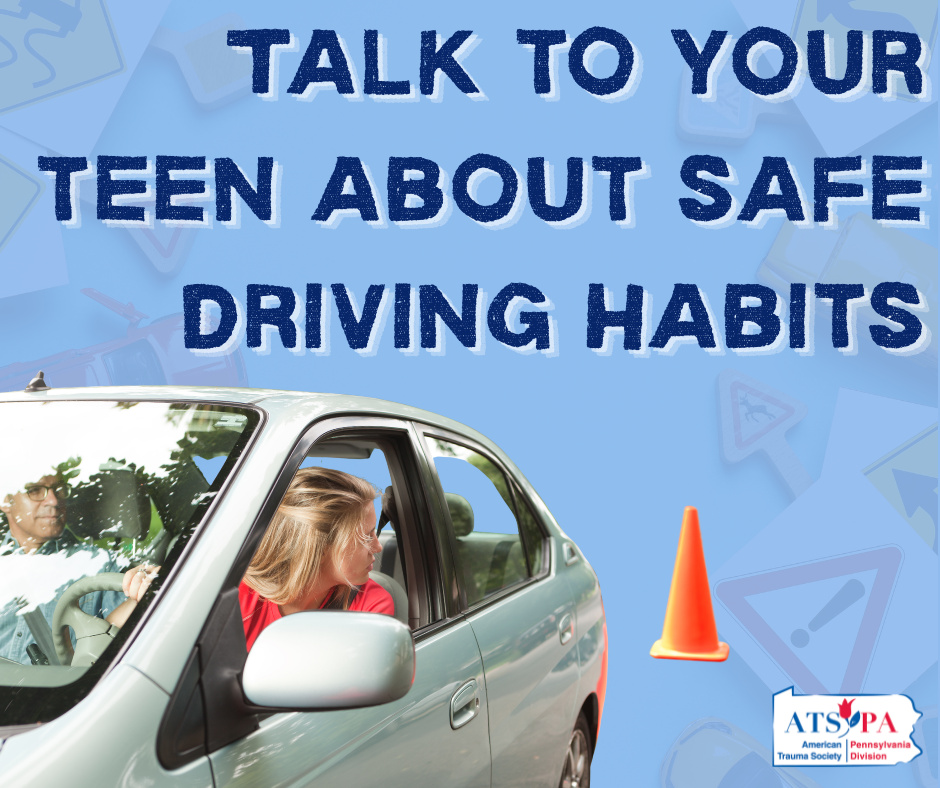
Learning to drive is an exciting milestone for teens and their families. It also comes with new responsibilities. According to the National Highway Traffic Safety Administration (NHTSA), motor vehicle crashes are a leading cause of death for teens in the United States.
Teen drivers are at greater risk for crashes because they are still developing driving skills and experience. Common risk factors include distracted driving, speeding, impaired driving, drowsy driving, not wearing a seat belt, and having additional passengers in the vehicle.
The good news? Safe driving habits can be learned and practiced. Parents and teens can work together to reduce risks and make every trip safer.
Distracted Driving
For a new driver, even a moment of distraction can have serious consequences. Driving requires your full attention, but phones, passengers, music, navigation systems, and other activities can take your focus away from the road.
Texting is especially dangerous because it involves visual, manual, and cognitive distraction. Taking your eyes off the road for even a few seconds can mean missing a roadway hazard, changing traffic conditions, or another vehicle.
Prevention Starts With Awareness
For Parents:
- Set clear expectations. Establish family rules for seat belt use, speeding, phone use, passengers, impaired driving, and nighttime driving.
- Know Pennsylvania’s Graduated Driver Licensing (GDL) laws. Make sure you and your teen understand the restrictions that apply to their learner’s permit or junior driver’s license.
- Put the rules in writing. Consider creating a parent-teen driving agreement that outlines expectations, responsibilities, and consequences.
- Practice together. Continue supervised driving practice after your teen earns a license. Help them gain experience in rain, nighttime conditions, heavy traffic, highways, and other challenging situations.
- Be a role model. Teens learn by watching the adults around them. Wear your seat belt, follow speed limits, put your phone away, and stay focused behind the wheel.
- Make phones off-limits. Encourage your teen to silence their phone and put it somewhere they cannot easily reach while driving.
- Talk about passengers. Friends can be a source of distraction. Follow GDL passenger restrictions and consider limiting additional passengers while your teen gains experience.
- Discuss impaired driving. Talk openly about the dangers of driving after using alcohol, cannabis, or other drugs. Some prescription and over-the-counter medications can also affect driving ability.
- Have a safe-ride plan. Let your teen know they can call you or another trusted adult for a ride if they do not feel safe driving or riding with someone else. Make safety more important than punishment.
- Talk about drowsy driving. Encourage healthy sleep habits and make sure your teen understands that being too tired to drive safely is a serious risk.
- Keep the conversation going. Earning a driver’s license is the beginning of a teen’s driving experience, not the end of their learning.
For Teens:
- Buckle up every trip. Wear your seat belt every time you are in a vehicle, whether you are driving or riding.
- Put your phone away. Never text, scroll, post, or use your phone while driving. Set navigation before you start driving and pull over somewhere safe if you need to use your phone.
- Keep your focus on the road. Avoid adjusting the radio, eating, grooming, or other activities that take your attention away from driving.
- Slow down. Follow the speed limit and adjust your speed for traffic, weather, road conditions, and visibility.
- Limit passengers. Passengers can be distracting, especially for new drivers. Follow all GDL passenger restrictions.
- Never drive impaired. Alcohol, cannabis, illegal drugs, and some medications can affect judgment, coordination, reaction time, and concentration.
- Never ride with an impaired driver. If the driver has been drinking or using drugs, find another way home. Call a parent, trusted adult, or another safe transportation option.
- Don’t drive tired. If you are too tired to stay alert, don’t get behind the wheel.
- Speak up. If a driver is speeding, distracted, impaired, or driving recklessly, you have the right to say something or ask to get out when it is safe.
- Take responsibility for your safety. Being a safe driver means making responsible choices, even when your friends are not.
Parents and Teens: Work Together
Teen driving safety doesn’t end when a teen receives their license. Continued practice, communication, and positive examples from parents can help teens develop safer driving habits that last a lifetime.
Set the expectation. Practice the skills. Talk about the risks. And always make it home safely.
When it comes to teen driving, drive smart. Arrive safe.
For a PDF — Click Here