Each year the U.S. National Highway Traffic Safety Administration (NHTSA) promotes vehicle safety recalls and encourages vehicle owners to check for open recalls on their cars, trucks, motorcycles, car seats, and tires.
Why does this matter?
Vehicle recalls are a crucial safety risk that often has misconceptions related to cost, time, and safety. Common safety defects like faulty airbags, stalling engines, or fire risks – these can seriously endanger drivers, passengers, and everyone on the road. Automakers and NHTSA issue recalls easily found online when a vehicle fails to meet minimum safety standards, and repairs are provided free to eliminate these risks. Being proactive and checking for recalls can save lives of yourself and others on the road.
What recalls actually indicate:
- A recall means a safety-related defect or compliance failure has been identified.
- Issues can involve critical systems: airbags, brakes, steering, fuel systems, or electrical wiring.
- Some recalls are urgent and may include Do Not Drive warnings.
Purpose of the Awareness Day
The goal of Vehicle Recall Awareness Day is to remind drivers to:
- Check for safety recalls on their vehicles using the free NHTSA VIN or License Plate Look-Up tool at NHTSA.gov/recalls.
- Schedule free repairs for any identified recalls, as mandated by federal law.
- Stay informed about ongoing safety campaigns, especially for urgent recalls that may require immediate action.
How to Participate
- Check your vehicle’s recall status at NHTSA.gov/recalls or download the free SaferCar app (iOS/Android).
- Share the message on social media using official recall campaign graphics and talking points provided by NHTSA.
- Encourage friends and family to check their vehicles, especially if they are in high-risk recall categories.
How to check for recalls
You can check for vehicle recalls by using your car’s 17-character VIN on official recall lookup tools like NHTSA’s website.
Step 1: Locate Your Vehicle Identification Number (VIN)
Your VIN is a unique 17-character code for your vehicle. You can find it:
- On the lower left corner of your windshield
- On your vehicle registration card
- On your insurance card
Step 2: Use Official Recall Lookup Tools
- NHTSA VIN Lookup: Enter your VIN at NHTSA’s recall page to see if your vehicle has any unrepaired safety recalls. This tool shows recalls from the last 15 years for major manufacturers and provides details about the defect and the free repair offered by the manufacturer (NHTSA)
- Search by Make, Model, or Year: If you don’t have the VIN, you can search by your vehicle’s year, make, and model to see general recall information, investigations, and manufacturer communications
Step 3: Check for Recalls on Other Equipment
You can also check recalls for car seats, tires, and other equipment using the same NHTSA tools.
Step 4: Interpret the Results
- If your vehicle has no unrepaired recalls, the tool will display: “0 unrepaired recalls associated with this VIN.”
- If a recall is listed, it will include:the safety issue, the manufacturer’s remedy, and instructions for getting the repair done free of charge
Step 5: Take Action if a Recall Exists
- Contact your vehicle dealer to schedule the repair.
- Follow any manufacturer instructions for interim safety measures if the recall involves a serious risk.
- Keep checking periodically, as VINs are continuously updated with new recalls.
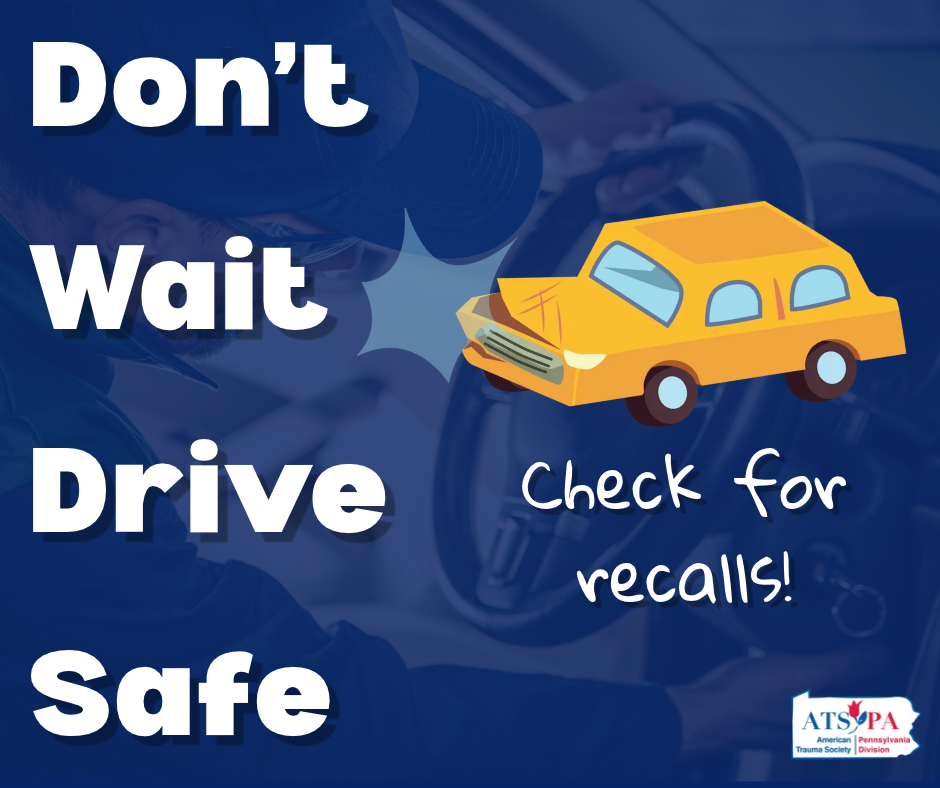
Don’t Wait, Drive Safe
Vehicle recalls are a critical safety mechanism designed to remove dangerous defects from the road before they cause accidents, injuries, or fatalities. They ensure that known defects are fixed promptly, preventing harm and maintaining public trust in the automotive industry. If you own a vehicle, it’s important to check for recalls regularly via NHTSA or your dealer, and to act promptly on recall notices to keep yourself and others safe.
For a PDF — Click Here