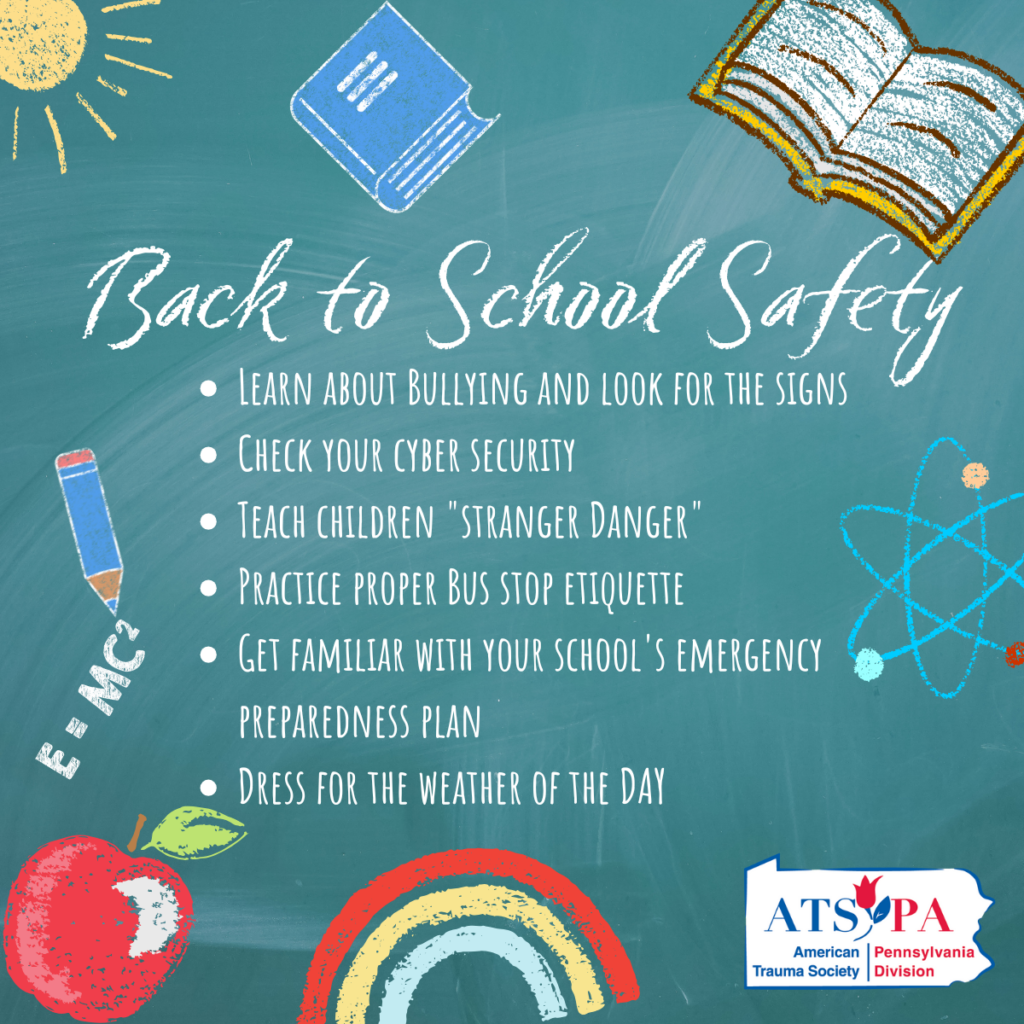
As summer winds down, families across Pennsylvania are busy shopping for school supplies, organizing schedules, and preparing for a new academic year. While backpacks, notebooks, and lunchboxes often top the checklist, one important item is frequently overlooked: injury prevention.
Back-to-school season brings thousands of children back onto sidewalks, roads, playgrounds, and athletic fields. Whether your child walks to school, rides a bike, gets dropped off by car, or participates in sports, taking a few extra precautions can help prevent injuries and keep the school year off to a safe start.
Walking and Biking to School Safely
Walking or biking to school is a great way for children to stay active, but it also requires awareness and preparation.
Talk with your child about:
- Using sidewalks whenever available.
- Crossing only at marked crosswalks or intersections.
- Looking left, right, and left again before crossing the street.
- Making eye contact with drivers before stepping into a crosswalk.
- Avoiding distractions like texting, gaming, or listening to music while crossing streets.
If your child rides a bicycle, scooter, or other micromobility device to school:
- Always wear a properly fitted helmet.
- Follow traffic signs and signals.
- Ride predictably and stay visible to motorists.
- Use lights and reflective gear when traveling during low-light conditions.
Practicing the route together before the first day of school can help children become familiar with potential hazards and build confidence.
Is Your Child’s Backpack Too Heavy?
An overloaded backpack can contribute to neck, shoulder, and back pain and may affect posture over time.
Experts generally recommend that a backpack weigh no more than 10–15% of a child’s body weight.
To reduce strain:
- Choose a backpack with wide, padded shoulder straps.
- Encourage children to use both shoulder straps rather than carrying the bag on one shoulder.
- Place heavier items closest to the back.
- Clean out unnecessary items regularly.
- Adjust the straps so the backpack rests snugly against the middle of the back—not below the waist.
As children grow throughout the year, periodically check that the backpack still fits properly.
School Drop-Off and Crosswalk Safety
School arrival and dismissal times can create busy, congested traffic patterns. Parents, caregivers, and drivers all play a role in protecting children.
When driving near schools:
- Slow down and obey posted school zone speed limits.
- Eliminate distractions and put away your phone.
- Watch carefully for children who may cross unexpectedly.
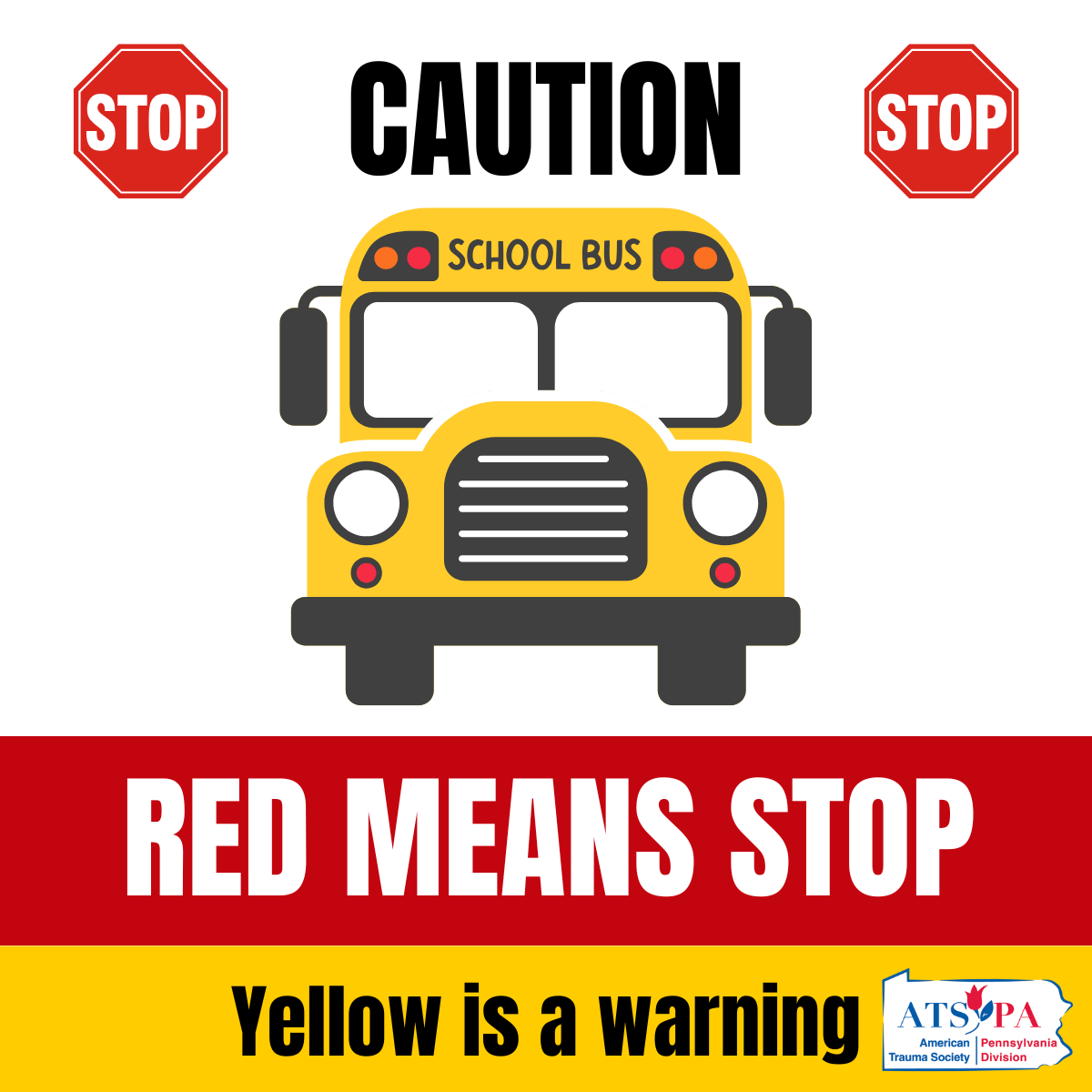
- Never pass a school bus when its stop arm is extended and red lights are flashing.
- Follow school drop-off and pick-up procedures to reduce congestion and improve safety.
Parents should also remind children to cross with crossing guards whenever possible and avoid weaving between parked vehicles where drivers may not see them.
Talk to Teens About Walking Without Distractions
While distracted driving receives significant attention, distracted walking has become an increasing concern, especially among teens.
Students often walk while:
- Looking at their phones.
- Wearing noise-canceling headphones or earbuds.
- Texting friends.
- Watching videos.
These distractions reduce awareness of traffic, bicycles, and other hazards.
Encourage teens to:
- Put the phone away when crossing streets.
- Remove at least one earbud near traffic.
- Stay alert at intersections.
- Avoid rushing across streets when traffic signals are changing.
A simple conversation can help reinforce habits that prevent serious injuries.
Don’t Forget Sports Safety
As fall sports begin, equipment should be inspected before the first practice or game.
Check that:
- Helmets fit correctly and are free from cracks or damage.
- Mouthguards are in good condition.
- Pads and protective gear fit properly.
- Athletic shoes provide appropriate support and traction.
Parents should also encourage young athletes to:
- Stay hydrated.
- Report pain or symptoms of a concussion immediately.
- Follow return-to-play recommendations after an injury.
- Never play through a suspected head injury.
Proper equipment and early reporting of injuries help keep athletes healthy throughout the season.
Make Sure Emergency Information Is Up to Date
Before school starts, take a few minutes to review your family’s emergency information.
Be sure your child knows:
- Their full name.
- Parents’ or guardians’ names.
- Home address.
- At least one emergency phone number.
- Who is authorized to pick them up from school.
Parents should also verify that the school has current emergency contacts, medical information, allergy information, and any medications or health plans required for their child.
Keeping this information current can make a significant difference during an emergency.
Start the School Year Safely
Preparing for school is about more than purchasing supplies—it’s about helping children arrive safely each day and return home healthy.
Small actions, such as checking a backpack’s weight, practicing a walking route, reviewing drop-off procedures, and inspecting sports equipment, can prevent injuries before they happen.
Your Back-to-School Safety Checklist
Before the first day of school, make sure your family has:
- Practiced the walking or biking route to school.
- Checked that helmets fit properly.
- Adjusted backpack weight and fit.
- Reviewed crosswalk and pedestrian safety rules.
- Talked about avoiding phones and earbuds near traffic.
- Inspected sports equipment for proper fit and condition.
- Updated emergency contacts and medical information with the school.
By making injury prevention part of your back-to-school routine, you’ll help ensure that the new school year begins with safety at the top of every family’s checklist.
For a PDF – Click Here