August is one of the busiest months for yard maintenance in Pennsylvania. Lawns continue to grow, gardens need harvesting and cleanup, trees and shrubs require trimming, and many homeowners begin preparing their landscapes for the upcoming fall season.
While yard work is an excellent way to stay active and improve your home’s curb appeal, it also comes with risks. Heat, heavy equipment, insects, ladders, and repetitive movements can lead to injuries if proper precautions aren’t taken.
With a little planning and attention to safety, you can enjoy a productive day outdoors while protecting yourself and your family.
Why August Requires Extra Caution
Late summer presents unique challenges that increase the risk of injury, including:
- High temperatures and humidity
- Increased sun exposure and UV radiation
- Thunderstorms and changing weather
- Fatigue from prolonged outdoor work
- Bees, wasps, ticks, mosquitoes, and poison ivy
- Heavy lifting during landscaping projects
Many injuries occur when people rush to finish outdoor projects before the weather changes or attempt tasks they’re unfamiliar with.
Common Yard Work Injuries
Each year, emergency departments treat thousands of people for injuries related to yard maintenance. Common injuries include:
- Cuts and lacerations
- Muscle strains and back injuries
- Falls from ladders
- Heat exhaustion and heat stroke
- Eye injuries from flying debris
- Hearing damage from loud equipment
- Burns from hot engines or equipment
- Insect bites and allergic reactions
Fortunately, many of these injuries are preventable.
Beat the August Heat
Working outside during the hottest part of the day can quickly lead to dehydration and heat-related illness.
Stay Safe by:
- Starting outdoor work early in the morning or later in the evening.
- Drinking water before you feel thirsty.
- Taking breaks in the shade or an air-conditioned space.
- Wearing lightweight, light-colored clothing.
- Applying sunscreen with SPF 30 or higher and reapplying every two hours.
- Wearing a wide-brimmed hat and sunglasses.
Know the Warning Signs
Heat exhaustion symptoms may include:
- Heavy sweating
- Dizziness
- Weakness
- Headache
- Nausea
- Muscle cramps
Move to a cool place, drink water, and rest.
Heat Stroke is a medical emergency.
Signs include:
- High body temperature
- Confusion
- Hot, dry skin or excessive sweating
- Loss of consciousness
Call 911 immediately if you suspect heat stroke.
Use Lawn Equipment Safely
Power equipment makes yard work easier but can cause serious injuries if used improperly.
Lawn Mowers
Before mowing:
- Remove rocks, sticks, toys, and other debris.
- Inspect the mower for loose or damaged parts.
- Wear sturdy, closed-toe shoes.
- Use hearing and eye protection.
While mowing:
- Never pull a mower backward unless absolutely necessary.
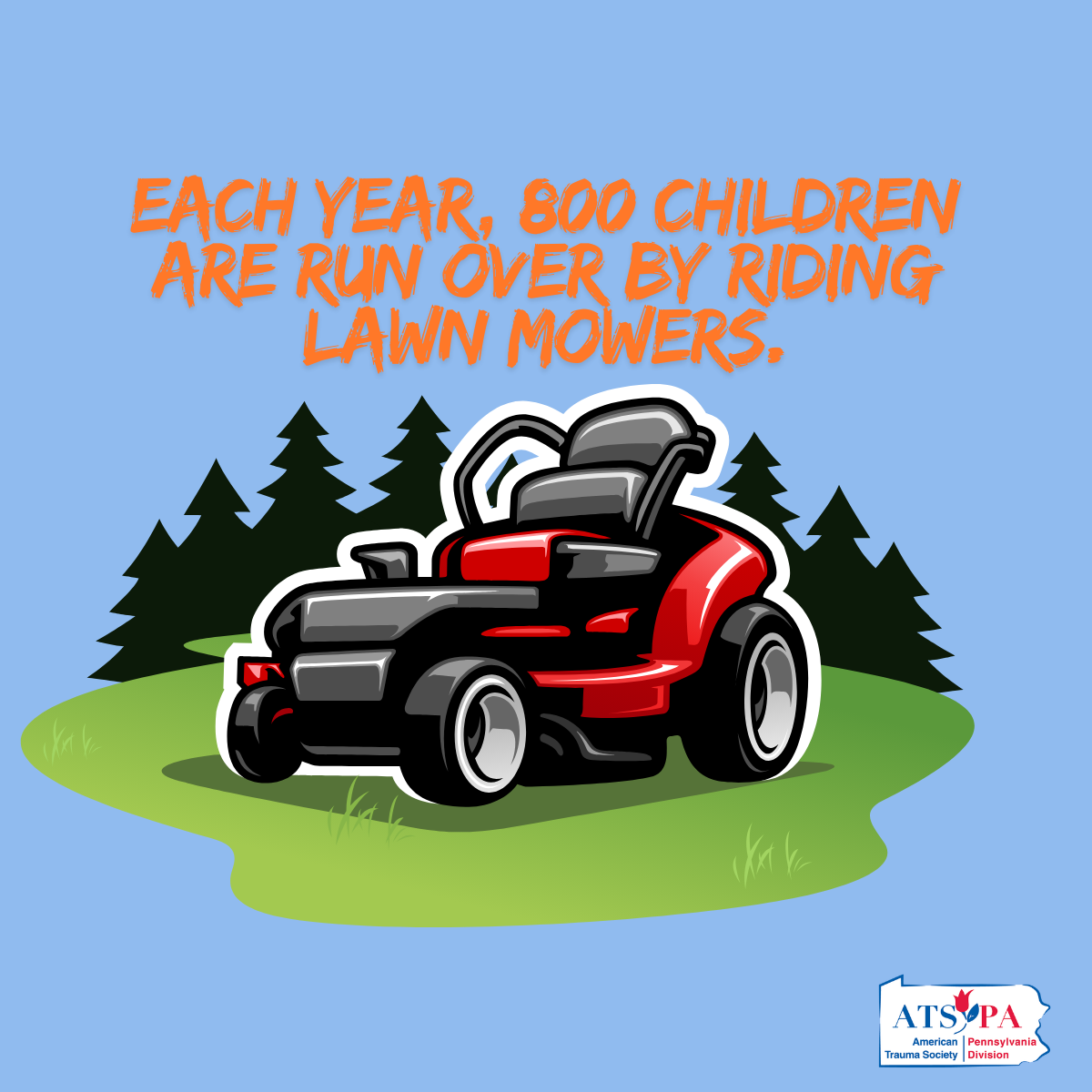
- Keep children and pets well away from the mowing area.
- Never reach under the mower deck while the engine is running.
- Turn off the engine before unclogging grass or making adjustments.
- Avoid mowing wet grass, which increases slipping hazards.
String Trimmers and Edgers
Flying debris can travel at high speeds.
Always:
- Wear safety glasses or a face shield.
- Wear long pants.
- Keep bystanders at least 50 feet away.
- Inspect the area for rocks and hidden objects.
Hedge Trimmers and Pruners
- Keep both hands on powered trimmers.
- Never trim above shoulder height.
- Cut away from your body.
- Keep blades sharp and clean.
Practice Ladder Safety
Tree trimming, gutter cleaning, and roofline maintenance often require ladders.
To reduce your risk of falling:
- Inspect ladders before use.
- Set ladders on firm, level ground.
- Maintain three points of contact while climbing.
- Never stand on the top step.
- Do not overreach—move the ladder instead.
- Avoid ladder work during windy or stormy conditions.
If possible, have another adult nearby to stabilize the ladder and assist if needed.
Lift Smart
Mulch, soil, stones, and landscaping materials can be surprisingly heavy.
Protect your back by:
- Lifting with your legs—not your back.
- Keeping loads close to your body.
- Avoiding twisting while carrying heavy objects.
- Dividing large loads into smaller ones.
- Using wheelbarrows, carts, or dollies whenever possible.
Watch for Insects and Plants
August is peak season for ticks, mosquitoes, bees, and poison ivy.
Protect Yourself
- Wear long sleeves and pants in wooded or brushy areas.
- Use an EPA-registered insect repellent.
- Perform a full-body tick check after working outdoors.
- Learn to identify poison ivy, poison oak, and poison sumac.
- Keep an epinephrine auto-injector nearby if you have severe insect sting allergies.
Stay Alert During Storm Season
Summer thunderstorms can develop quickly.
Before working outside:
- Check the weather forecast.
- Stop work immediately if thunder is heard.
- Avoid using electric equipment during rain.
- Wait until trees and branches are stable before cleaning up storm damage.
Never attempt to remove branches touching utility lines. Contact your electric utility company instead.
Protect Your Hands, Eyes, and Hearing
Simple protective equipment can prevent many common injuries.
Consider wearing:
- Safety glasses
- Work gloves
- Hearing protection
- Long pants
- Closed-toe shoes or work boots
- Dust masks when working with dry soil, mulch, or blowing debris
Protect Children and Pets
Yard work often attracts curious children and pets.
To keep them safe:
- Keep them indoors or in a separate area while equipment is operating.
- Never allow children to ride on lawn mowers or garden tractors.
- Store gasoline, fertilizers, and pesticides securely and out of reach.
- Disconnect power before leaving equipment unattended.
Take Care of Your Tools
Proper maintenance makes equipment safer and more effective.
Before each use:
- Inspect cords and batteries.
- Tighten loose bolts.
- Sharpen blades.
- Replace damaged parts.
- Clean equipment after use.
Follow the manufacturer’s maintenance recommendations to help extend the life of your tools and reduce the risk of mechanical failure.
End-of-Day Safety Checklist
Before calling it a day:
- Drink plenty of water.
- Stretch to reduce muscle soreness.
- Clean and store equipment properly.
- Lock fuel and chemicals away from children.
- Wash your hands after handling fertilizers, pesticides, or fuel.
- Check yourself for ticks and insect bites.
Final Thoughts
Yard work is a rewarding way to care for your home, stay physically active, and enjoy the outdoors. However, even routine tasks can become dangerous when heat, power equipment, ladders, or fatigue are involved.
Remember: No job is so urgent that it can’t be done safely. Protect yourself, your family, and those around you by making machinery safety part of every task, every day.
PDF of this Article – Click Here