As temperatures rise across Pennsylvania, so does the risk of heat-related illness. Heatstroke is the most serious form—and it can become life-threatening in minutes. The good news: it’s highly preventable with awareness, early recognition, and simple safety habits.
What Is Heatstroke?
Heatstroke occurs when the body can no longer regulate its temperature, causing it to rise rapidly—often above 104°F. Without immediate treatment, heatstroke can lead to organ damage, disability, or death.
It can affect anyone, but children, older adults, and people who work or exercise outdoors are especially at risk.
Signs & Symptoms of Heatstroke
Recognizing heatstroke early can save a life. Watch for:
-
- High body temperature (104°F or higher)
-
- Hot, red, dry or damp skin
-
- Confusion, dizziness, or altered mental state
-
- Headache
-
- Nausea or vomiting
-
- Rapid pulse
-
- Fainting or loss of consciousness
In children, symptoms may also include irritability, lethargy, or unusual behavior.
What To Do: Heatstroke Treatment
Heatstroke is a medical emergency. Call 911 immediately.
While waiting for help:
-
- Move the person to a cool, shaded, or air-conditioned area
-
- Remove excess clothing
-
- Cool them quickly:
-
- Use cold, wet cloths or a cool bath
-
- Apply ice packs to the neck, armpits, and groin
-
- Cool them quickly:
-
- Give small sips of water only if they are conscious and able to drink
Do not delay care—rapid cooling is critical.
How to Prevent Heatstroke
Prevention is your best protection, especially during hot and humid Pennsylvania summers.
Stay Cool
-
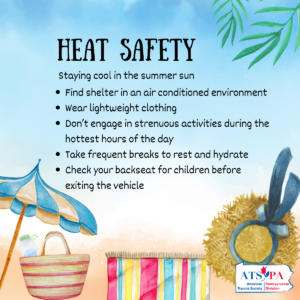
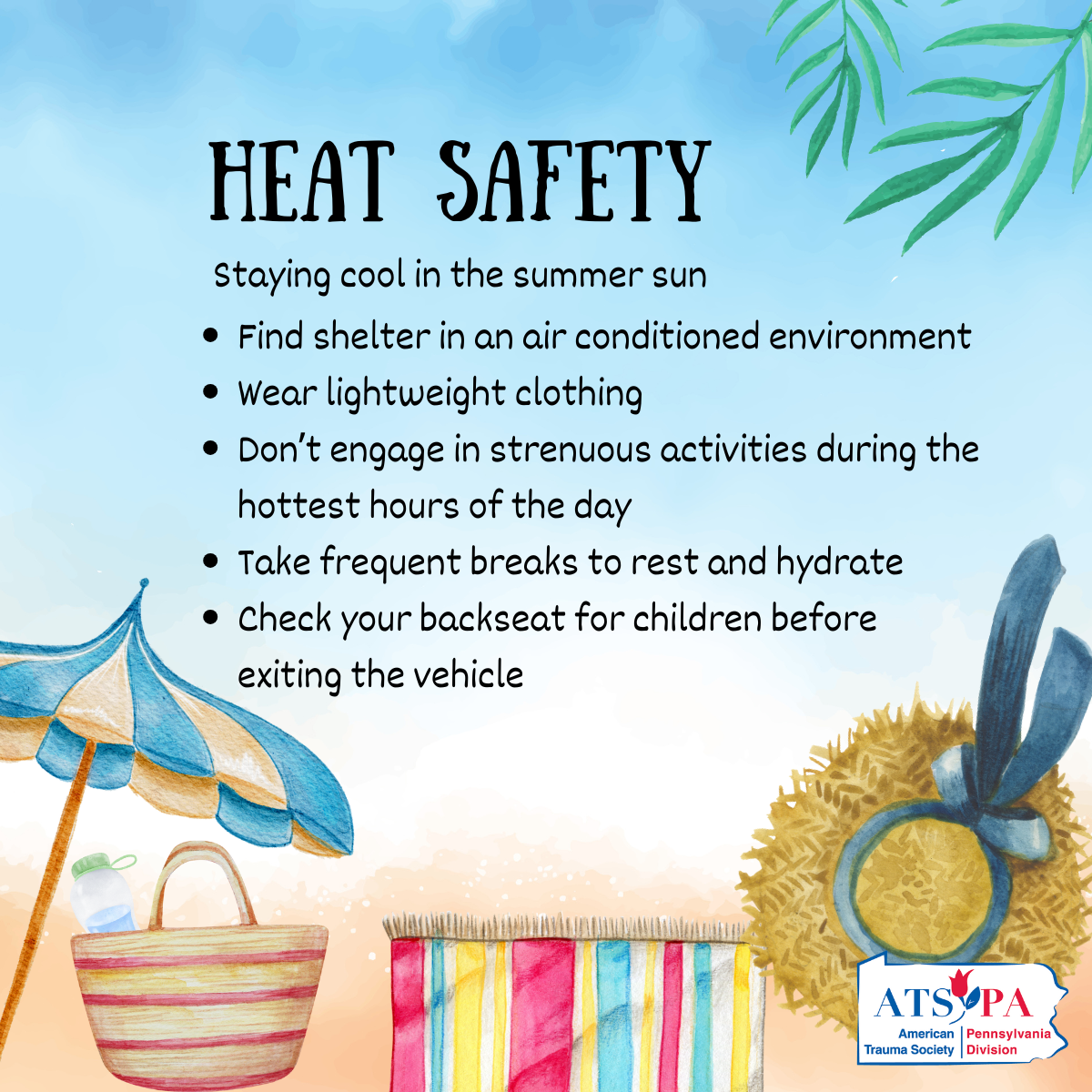
- Spend time in air-conditioned spaces when possible
-
- Take cool showers or baths
-
- Wear lightweight, light-colored clothing
Stay Hydrated
-
- Drink water regularly—even if you don’t feel thirsty
-
- Avoid excessive caffeine or alcohol
Plan Ahead
-
- Limit outdoor activity during peak heat (10 AM – 4 PM)
-
- Take frequent breaks in the shade
-
- Check the heat index before heading outside
Know Your Risk
Certain medications and medical conditions can increase heat sensitivity. Pay extra attention to vulnerable individuals.
Heatstroke Prevention in Children
Children heat up 3–5 times faster than adults, making them especially vulnerable.
Key Safety Tips
-
- Never leave children unattended in a vehicle—even for a minute
-
- Dress children in light, breathable clothing
-
- Ensure frequent hydration during outdoor play
-
- Schedule outdoor activities during cooler parts of the day
-
- Take breaks often and watch for signs of overheating
Check the Backseat: Prevent Hot Car Deaths
One of the most dangerous—and preventable—causes of pediatric heatstroke is being left in a hot car. Interior vehicle temperatures can rise 20 degrees in just 10 minutes, even with windows cracked.
According to the National Highway Traffic Safety Administration, dozens of children die each year in hot cars across the U.S.
Make It a Habit: “Look Before You Lock”
-
- Always check the back seat before locking your car
-
- Place a personal item (phone, purse, badge) in the back seat as a reminder
-
- Keep a stuffed animal in the car seat and move it to the front when your child is in the car
-
- Ask childcare providers to call if your child doesn’t arrive as expected
If You See a Child Alone in a Car:
-
- Call 911 immediately
-
- Try to locate the driver
-
- If the child appears in distress, take action to get them out safely
Stay Safe This Summer
Heatstroke is fast, dangerous, and preventable. By recognizing the signs, acting quickly, and building safe habits, especially when it comes to children and vehicles, we can save lives.
At ATSPA, we’re committed to keeping Pennsylvania communities safe through education and prevention.
Download: