Graduation and prom season should be filled with excitement, celebration, and lifelong memories—not tragedy. Unfortunately, this time of year also brings an increase in impaired driving crashes involving teens and young adults. For families, schools, and communities across Pennsylvania, prevention is not just important—it’s essential.
Why This Matters
Motor vehicle crashes remain one of the leading causes of death for teens in the United States. According to the National Highway Traffic Safety Administration, impaired driving, whether due to alcohol, drugs, or a combination, significantly increases crash risk.
Prom and graduation events often involve late nights, group travel, and, in some cases, exposure to alcohol or substances. Even one poor decision can have life-altering consequences.
The Risks of Impaired Driving
Impaired driving isn’t just about alcohol. It includes:
- Alcohol use (even small amounts for teens)
- Marijuana and other drugs (including prescription misuse)
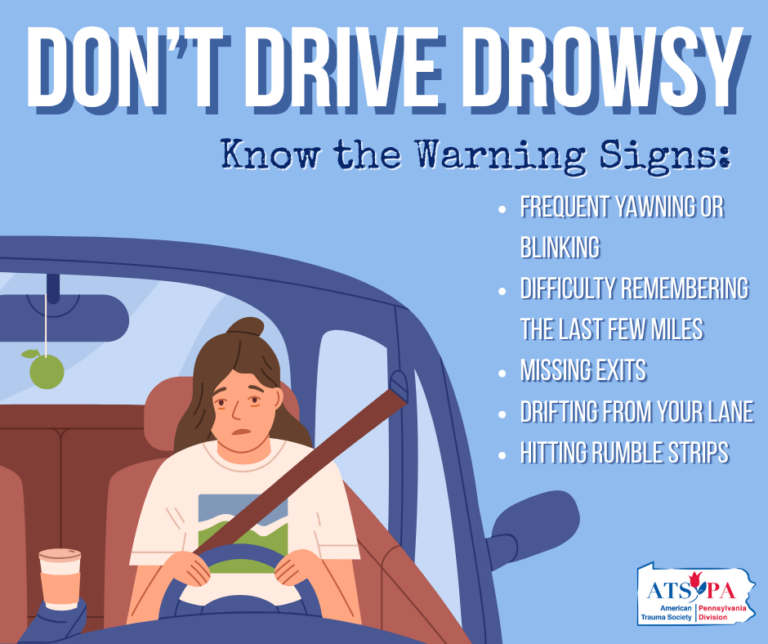
- Fatigue and distraction, which can amplify impairment effects
Teens are particularly vulnerable because their brains are still developing, especially areas responsible for decision making and risk assessment. The Centers for Disease Control and Prevention notes that young drivers are more likely to underestimate dangerous situations and overestimate their ability to handle them.
Prevention Starts Before the Event
For Parents & Caregivers:
- Set clear expectations. Talk openly about no tolerance for impaired driving.
- Create a “safe out.” Let your teen know they can call you anytime for a ride—no questions asked in the moment.
- Know the plan. Who are they going with? Where will they be? How are they getting home?
- Consider a written agreement. A simple safety contract can reinforce expectations.
For Teens:
- Plan your ride in advance. Designate a sober driver or arrange transportation.
- Stick with your group. Look out for each other and leave together.
- Speak up. If a driver is impaired, don’t get in the car—call for help instead.
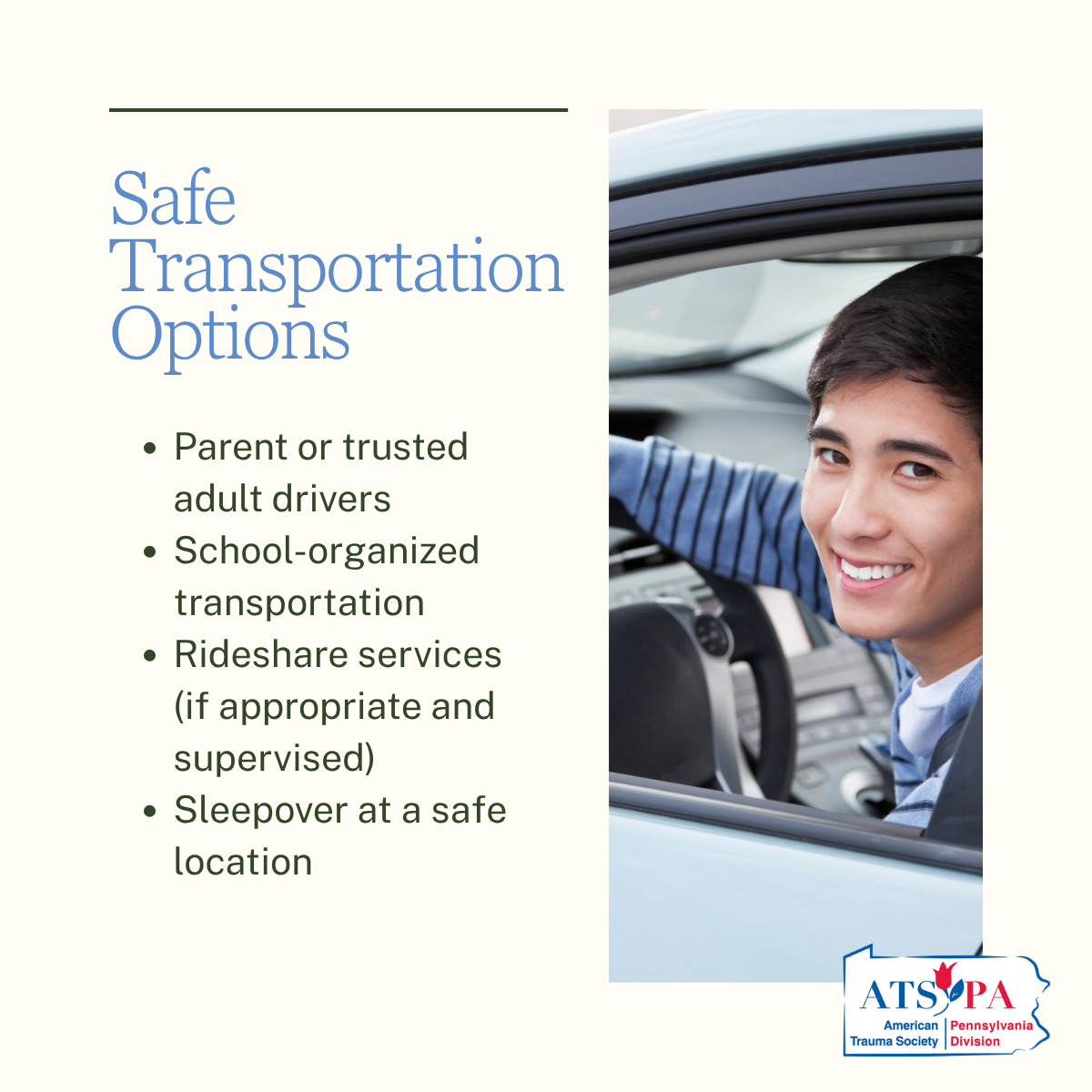
Safe Transportation Options
- Parent or trusted adult drivers
- School-organized transportation
- Rideshare services (if appropriate and supervised)
- Overnight plans at a safe location
Encouraging structured plans removes the pressure of making last-minute decisions.
Warning Signs of Impairment
Knowing when someone shouldn’t be driving can save lives. Watch for:
- Slurred speech or slowed reaction time
- Poor coordination or balance
- Risky or aggressive behavior
- Difficulty focusing or staying awake
If you notice these signs, intervene—offer alternatives and involve a trusted adult if needed.
Community & School Roles
Schools, community organizations, and groups like the American Trauma Society, Pennsylvania Division (ATSPA) play a vital role by:
- Promoting prevention campaigns
- Hosting safe, substance-free events
- Providing educational resources on impaired driving risks
- Partnering with local law enforcement and health agencies
A Message That Matters
Every teen deserves to celebrate milestones safely. Preventing impaired driving isn’t about limiting fun—it’s about ensuring that the night ends with everyone getting home safely.
As prom and graduation season approaches, take the time to have conversations, make a plan, and look out for one another. Because the best memories are the ones where everyone makes it home.
Download: