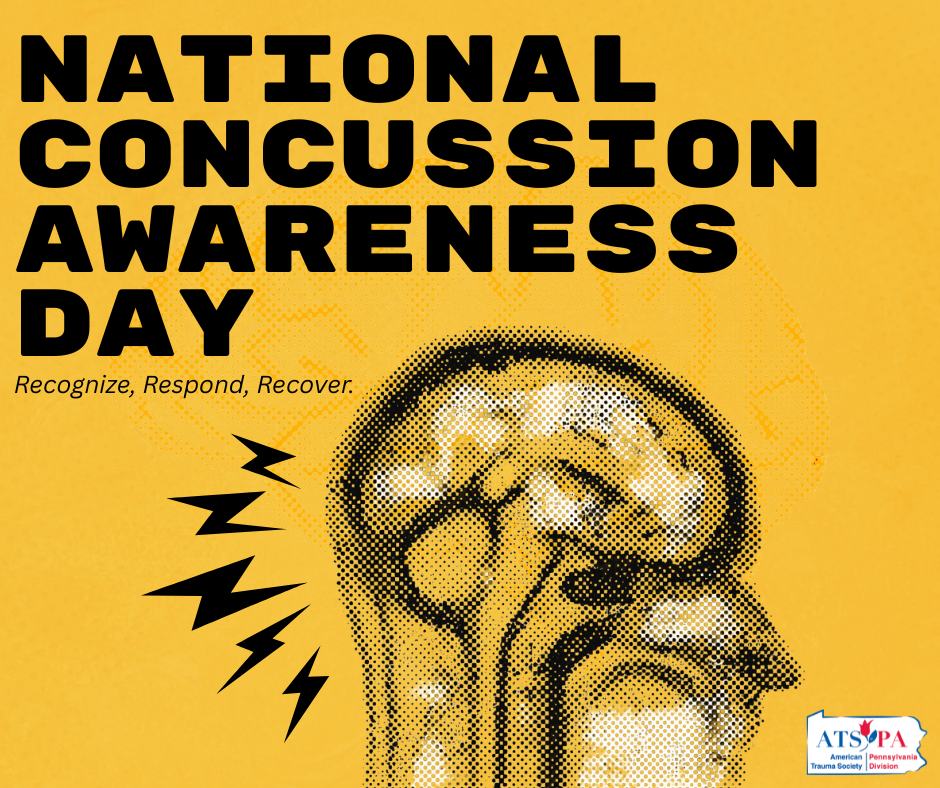
Every year on the third Friday in September, National Concussion Awareness Day raises awareness about concussions and promotes education on prevention, diagnosis, and treatment. Founded in 2016 by Brooke Mills, National Concussion Awareness Day emphasizes the importance of recognizing concussions and the serious implications they can have on the brain.
Concussions are the most common type of traumatic brain injury (TBI), often occurring during sports-related activities. These incidents can happen in an instant, even without a direct impact on the head. Whatever the circumstances of the injury, concussions are a serious form of brain injury that require recognition and proper care.
What is a concussion?
According to the Centers for Disease Control and Prevention (CDC), a concussion is a type of brain injury caused by a bump, blow, or jolt to the head or body that causes rapid movement of the brain inside the skull. This movement can result in temporary changes in brain function.
Symptoms can occur immediately or may not develop for hours or days. It is important to take any suspected injury to the brain seriously, as every concussion presents differently.
How are concussions caused?
Concussions can occur in a multitude of different scenarios.
Common causes include:
- Sports and recreational activities: Contact sports, biking, playground activities, and other physical activities can carry a risk of falls or collisions.
- Falls: Falls are a leading cause of traumatic brain injuries, especially among young children and older adults.
- Motor vehicle crashes: Sudden stops, collisions, or impacts can cause the head and brain to move quickly.
- Workplace incidents: Certain occupations may involve increased risks for falls, impacts, or other traumatic injuries.
What are the signs and symptoms of a concussion?
Concussions and their symptoms and their timing can vary for each person.
Physical Symptoms:
- Headache or pressure in the head
- Dizziness or balance problems
- Nausea or vomiting
- Blurred vision
- Sensitivity to light or noise
- Feeling tired or sluggish
Cognitive Symptoms:
- Difficulty concentrating
- Confusion
- Forgetfulness
- Feeling slowed down
- Trouble remembering what happened before or after the injury
Emotional and Sleep Changes:
- Irritability or mood changes
- Increased nervousness or sadness
- Sleeping more or less than usual
- Difficulty falling asleep
If someone experiences symptoms after a hit, bump, or jolt, it is important to remove them from the activity and seek medical evaluation by a healthcare professional.
What to do if you suspect a concussion:
Knowing how to respond after a possible concussion can help protect someone from additional harm.
- Stop the Activity
Anyone with a suspected concussion should be removed from the activity immediately. Returning too soon can increase the risk of further injury.
- Seek Medical Evaluation
A healthcare professional can assess symptoms and provide guidance for recovery and returning to normal activities.
- Monitor Symptoms
Symptoms may change over time. Continue to watch for worsening signs and seek additional medical care if needed.
- Prioritize Recovery
Recovery looks different for everyone. Following medical recommendations and gradually returning to activities can support healing.
Prevention Starts with Safety
While not all concussions can be prevented, safety practices can help reduce risks.
Ways to help prevent concussions include:
- Wear appropriate protective equipment during sports and recreational activities.
- Follow safety rules and use proper techniques during activities.
- Always wear a seat belt while traveling in a vehicle.
- Use helmets and other protective gear when appropriate.
- Make homes safer to help prevent falls.
- Encourage individuals to report symptoms and seek care after an injury.
Concussion awareness starts with knowing the signs, understanding the risks, and taking action when an injury occurs. By recognizing symptoms early and prioritizing safety, we can help reduce the impact of traumatic brain injuries and create safer communities across Pennsylvania.
By learning the signs of a concussion and knowing how to respond, we can help reduce the impact of traumatic brain injuries and support safer communities across Pennsylvania.
ATSPA remains committed to promoting injury prevention, education, and resources that help protect the health and safety of all Pennsylvanians.
For a PDF—Click Here