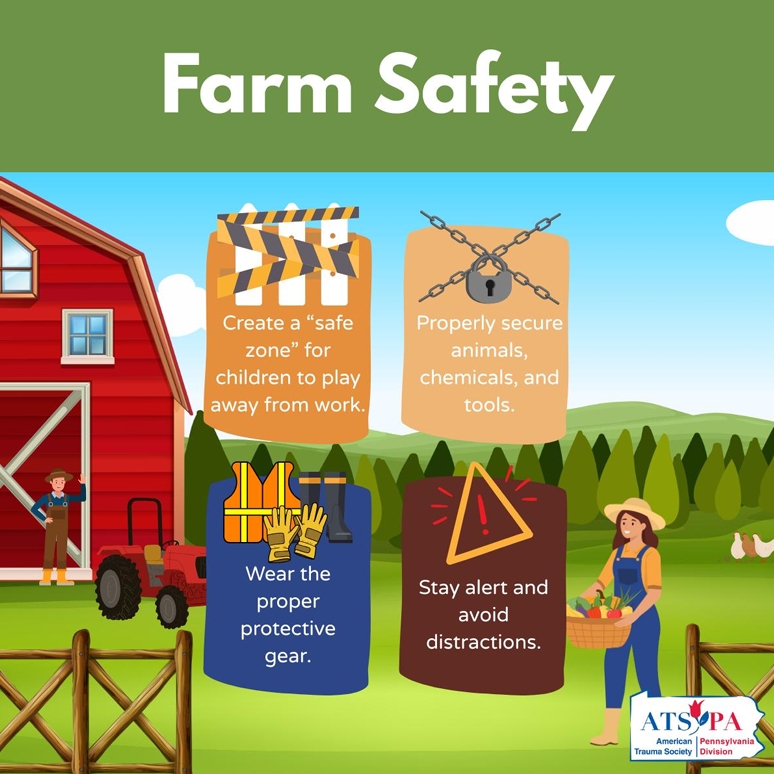
Each year during the third week of September, communities recognize National Farm Safety and Health Week, an opportunity to raise awareness about the hazards faced by farmers and agricultural workers and highlight the importance of preventing farm-related injuries and illnesses.
The observance coincides with a busy time of year for many agriculture operations as farmers prepare for harvest and spend long hours working in and around fields, equipment, livestock, and other potential hazards. Farm accidents can have serious consequences, but many injuries are preventable through proper planning, training, and safety practices.
Farm safety means taking proactive steps to identify and reduce risks in agricultural settings. Creating a safe work environment protects farmers, employees, families, and others who live and work around agricultural operations while helping farms remain productive and sustainable.
Common Farm Safety Risks
Farming involves a wide range of tasks and working conditions, each with its own potential hazards. Understanding these risks is an important first step toward preventing injuries and protecting the people who work on and around farms.
Equipment & Machinery
- Tractors and heavy machinery can cause serious or fatal injuries.
- Power tools and equipment can cause crushing, cutting, or other traumatic injuries.
- Machinery-related incidents can occur when working with or near operating equipment.
Chemical Hazards
- Pesticides and fertilizers can be harmful if improperly handled or inhaled.
- Fuels and solvents can create additional health and safety risks.
- Improper chemical storage or disposal can lead to environmental contamination.
Livestock
- Animals can behave unpredictably, resulting in bites, kicks, or trampling.
- Handling or moving livestock can cause physical injuries.
- Some animals can transmit diseases to humans.
Environmental Hazards
- Extreme heat can increase the risk of heat-related illness and fires.
- Storms and poor weather can create dangerous working conditions.
- Drought and other extreme conditions can threaten crops, livestock, and farm operations.
How Can Farms Improve Safety?
Developing a comprehensive farm safety program can seem overwhelming, but meaningful improvements can begin with a few practical steps. Establishing clear procedures, providing appropriate equipment and training, and regularly evaluating potential hazards can help create a safer agricultural workplace.
Use Personal Protective Equipment
Personal protective equipment can help protect workers from many of the physical and chemical hazards found on farms. Depending on the task, PPE may include long-sleeved shirts, long pants, gloves, protective footwear, hearing protection, eye protection, or respiratory protection.
Best practices include:
- Provide PPE appropriate for each task.
- Make sure workers understand how to use PPE correctly.
- Inspect, maintain, and replace PPE when necessary.
Provide Ongoing Training and Education
Training is an important part of preventing farm-related injuries. Workers should understand the hazards associated with their responsibilities and know how to respond when something goes wrong.
Training should address areas such as:
- Safe operation, maintenance, and repair of farm equipment.
- Proper handling, storage, and disposal of agricultural chemicals.
- Emergency procedures and first aid.
- Livestock behavior, safe handling, and animal-to-human disease risks.
- Agricultural and supply-chain sustainability.
Best practices include:
- Stay informed about current farm safety recommendations and share updates with the team.
- Provide comprehensive training for new workers and refresher training for experienced workers.
- Include hands-on demonstrations and realistic safety scenarios whenever possible.
Conduct Regular Risk Assessments
Every farm has its own unique hazards based on factors such as the land, weather, crops, livestock, equipment, and daily operations. Regularly assessing these risks allows farm owners and managers to identify hazards before they result in an injury.
Risk assessments can also help farms develop appropriate mitigation strategies, emergency response plans, and evacuation procedures.
Best practices include:
- Conduct farm inspections on a regular schedule.
- Document hazards and identify ways to address them.
- Involve workers in identifying potential risks and developing solutions.
Foster a Culture of Safety
Farm safety should be an ongoing priority, not something addressed only after an accident occurs. Creating a culture of safety means encouraging everyone on the farm to recognize hazards, follow established procedures, and speak up when something does not seem safe.
Farm owners and managers play an important role in setting this standard.
Best practices include:
- Lead by example and consistently follow safety procedures.
- Encourage workers to voice safety concerns and share recommendations.
- Recognize and reinforce safe practices.
Farm safety is about more than compliance. It is a proactive approach to protecting lives, preventing injuries, safeguarding equipment, and supporting productive and sustainable agricultural operations.
This National Farm Safety and Health Week, take time to identify potential hazards, review safety procedures, and make sure everyone working on the farm has the knowledge and equipment they need to work safely. Prioritizing safety today can help protect farmers, workers, families, and communities tomorrow.
For a PDF—Click Here