


Emergency Preparedness for Snowstorms & Power Outages
- Jan 26
- 2 min read
Winter storms can arrive quickly and leave lasting impacts—heavy snow, ice, and strong winds often bring power outages, hazardous travel conditions, and limited access to emergency services. Being prepared before a snowstorm hits can protect your family, reduce stress, and help prevent injuries. Emergency preparedness doesn’t have to be complicated; a few thoughtful steps can make all the difference.
Why Winter Emergency Preparedness Matters
Snowstorms and power outages increase the risk of:
Slips, falls, and hypothermia
Carbon monoxide poisoning from improper generator/heating use
House fires from candles and space heaters
Motor vehicle crashes during icy conditions
Delayed emergency response times
Preparation helps you stay safe, warm, and connected when conditions are at their worst.
Build a Winter Emergency Kit
Every household should have a basic emergency kit that can sustain everyone for at least 72 hours.
Essentials include:
Water (one gallon per person per day)
Non-perishable food and a manual can opener
Flashlights and extra batteries (avoid candles when possible)
Fully charged power banks for phones and medical devices
Prescription medications and basic first aid supplies
Blankets, warm clothing, hats, and gloves
Important documents stored in a waterproof container
Winter-specific additions:
Extra blankets or sleeping bags
Battery-powered or hand-crank radio
Ice melt and a sturdy snow shovel
Extra pet food and supplies
Prepare Your Home Before the Storm
Taking preventive steps can reduce risks during extended outages:
Insulate pipes and allow faucets to drip during extreme cold to prevent freezing.
Install and test smoke and carbon monoxide detectors—especially critical when using alternate heat sources.
Stock up on heating fuel if you rely on oil, propane, or wood.
Set refrigerators and freezers to the coldest setting to help food last longer during outages.
Charge devices and battery backups ahead of the storm.
Use Heat and Power Safely
During power outages, improper heating methods can be deadly.
Never use grills, camp stoves, or generators indoors or in garages.
Keep generators at least 20 feet from doors and windows and use outdoor-rated extension cords.
Use space heaters safely—keep them at least three feet from anything flammable and never leave them unattended.
Avoid candles; use flashlights instead to reduce fire risk.
Plan for Communication and Medical Needs
Identify how you’ll receive emergency alerts if internet or power is lost.
Keep a list of emergency contacts written down.
If you rely on electric-powered medical equipment, register with your utility company and local emergency management agency.
Check on neighbors, especially older adults and those with disabilities.
Travel Only If Necessary
If travel is unavoidable:
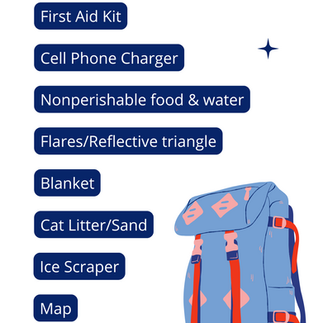
Keep a winter emergency kit in your vehicle (blankets, flashlight, shovel, traction aids, water, and snacks).
Let someone know your route and expected arrival time.
Slow down, increase following distance, and avoid sudden movements on icy roads.
After the Storm Passes
Continue to monitor weather and utility updates.
Watch for downed power lines and report them immediately.
Clear snow and ice safely—pace yourself to prevent overexertion and heart-related emergencies.
Snowstorms and power outages are part of winter—but serious injuries don’t have to be. Taking time now to prepare your home, family, and community can prevent emergencies from becoming tragedies.
Preparedness is an essential part of prevention of injury. Stay informed, stay ready, and stay safe this winter.
RESOURCES




Comments