Cold and flu season often brings a cabinet full of medications—over-the-counter (OTC) remedies, prescriptions, vitamins, and supplements—all aimed at helping us feel better fast. While these medicines can be helpful, improper use can lead to serious injuries, especially for children, older adults, and people taking multiple medications. Understanding how to use medications safely during cold and flu season is an important step in preventing unintentional harm.
The Hidden Risks of Common Cold & Flu Medications
Many cold and flu products contain multiple active ingredients designed to treat several symptoms at once, such as congestion, cough, fever, and body aches. This can increase the risk of accidentally taking too much of a medication—especially when combining products.
One common concern is acetaminophen (Tylenol®), which is often included in multi-symptom cold and flu medicines. Taking more than the recommended dose can cause serious liver damage. Similarly, decongestants can raise blood pressure and may be unsafe for individuals with heart conditions, while antihistamines can cause drowsiness, dizziness, and confusion—raising fall risk.
Medication Safety Tips for Cold & Flu Season
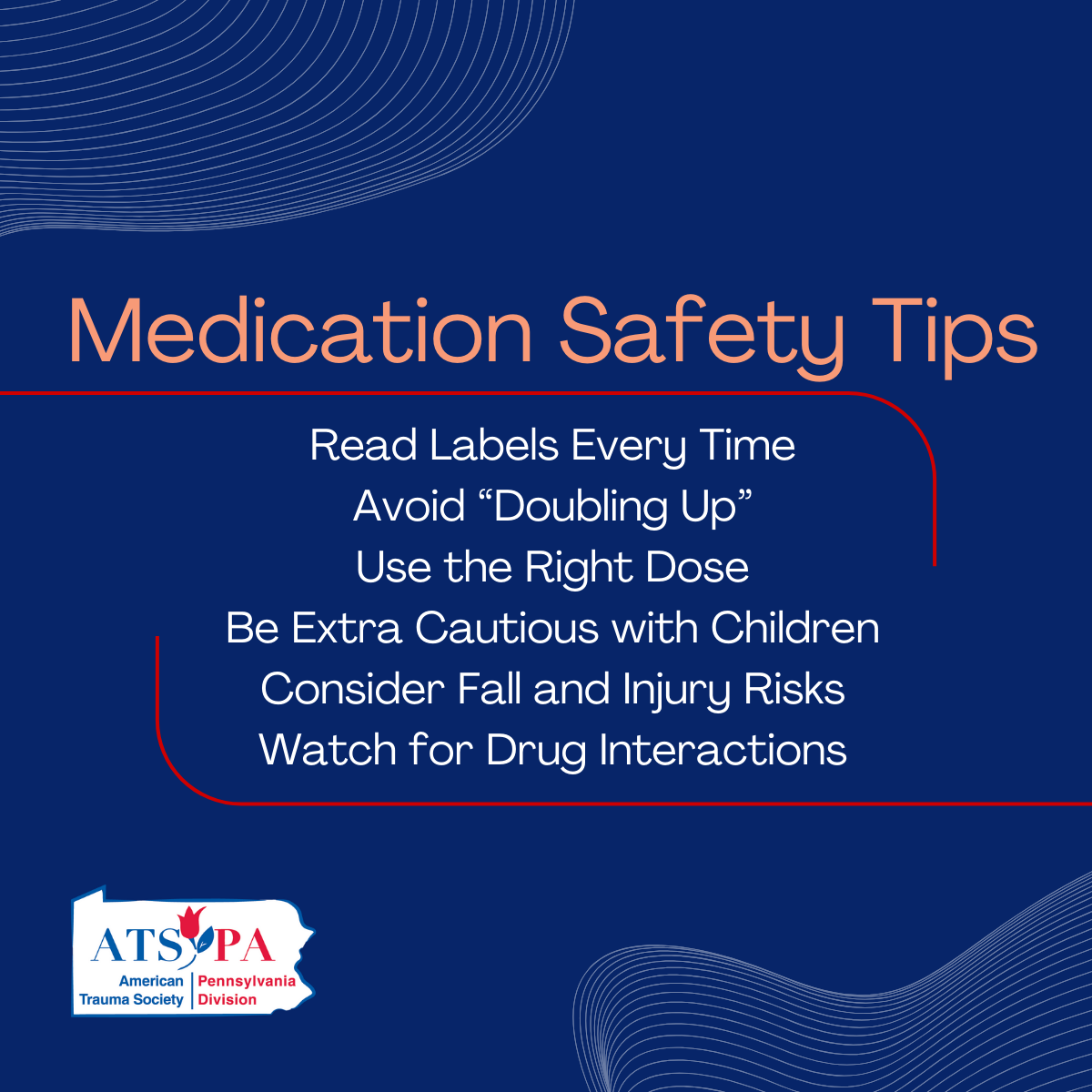
1. Read Labels Every Time
Even if you’ve used a medication before, always read the label. Look for:
- Active ingredients
- Dosage instructions
- Warnings and age restrictions
Avoid taking more than one product with the same active ingredient.
2. Avoid “Doubling Up”
Using several cold and flu products at once can lead to unintentional overdose. For example, taking a fever reducer along with a multi-symptom cold medicine may exceed safe limits without you realizing it.
3. Use the Right Dose
- Use only the dosing device that comes with the medication
- Never use kitchen spoons to measure liquid medicines
- Follow age-appropriate dosing, especially for children
When in doubt, ask a pharmacist or healthcare provider.
4. Be Extra Cautious with Children
Children are especially vulnerable to medication errors. Some cold and cough medicines are not recommended for young children. Always:
- Use child-specific formulations
- Store medications out of sight and reach
- Never call medicine “candy”
5. Consider Fall and Injury Risks
Some medications cause drowsiness, dizziness, or slowed reaction time. These side effects can increase the risk of falls, car crashes, and other injuries—particularly in older adults. Avoid driving or operating machinery if a medication makes you feel sleepy or lightheaded.
6. Watch for Drug Interactions
Prescription medications, OTC products, and supplements can interact in harmful ways. Keep an up-to-date list of everything you take and share it with your healthcare provider or pharmacist.
Safe Storage and Disposal Matter
Medication safety doesn’t end when you take the dose. Proper storage and disposal help prevent accidental poisoning and misuse:
- Store medicines in a locked cabinet, away from children and pets
- Keep medications in their original containers
- Dispose of unused or expired medications at local drug take-back sites
If you suspect a medication error, overdose, or adverse reaction, act quickly. Call your healthcare provider or Poison Control at 1-800-222-1222 for immediate guidance. In an emergency, call 911.
Cold and flu medications can ease symptoms—but only when used correctly. Taking time to read labels, follow directions, and ask questions can prevent serious injuries and keep you and your family safe throughout the season.
Download: